
Institutional
British Council 2020 Review
It is fair to say that 2020 was a challenging year for the vast majority of the world’s population. The coronavirus pandemic struck and plunged us into a situation of extreme uncertainty and...

It is fair to say that 2020 was a challenging year for the vast majority of the world’s population. The coronavirus pandemic struck and plunged us into a situation of extreme uncertainty and great concern. And it was no different for us at the British Charitable Foundation.
We lived through and survived what was probably the greatest challenge in our more than 70-year history. Some of the questions and dilemmas we faced were:
- How can we continue with our expansion model, based on venues that promote social interaction and independence amongst older people, when people over 60 are a high-risk group for the disease?
- How can we move all activities online when a large proportion of the Do older people often find it very difficult to learn about and adapt to new technologies?
- How can we keep those in our care healthy and safe whilst a highly contagious disease is on the loose?
- How can we continue to strengthen preventive medicine if visits to the doctor now pose a major health risk and have had to be reduced as much as possible?
- How can we convey reliable information amidst the various uncertainties, rumours and fake news that circulated throughout 2020? And how, in this In such a difficult situation, should we address other issues that are also important?
- E, finally, how can we help our community – not just those we support, but also our supporters and everyone else connected to us – to take their minds off things and think about something other than the pandemic?
It certainly wasn’t easy, but we did our best to answer these questions and resolve these dilemmas. Let’s take a look back at 2020 with the key actions we took throughout the year, which, thankfully, is now behind us:
Number of beneficiaries
Despite all the difficulties, we managed to increase our number of beneficiaries by 22 per cent, , rising from 222 in 2019 to 270 in 2020. This was mainly due to the growth of the Community Centre for the Elderly at the start of the year and the expansion we were able to achieve in the Multiplicar Programme with the help of a number of partners.
Changes to the Senior Citizens’ Community Centre
We started 2020 with 114 people enrolled at our CCI, a 33 per cent increase compared with the 86 students enrolled the previous year. However, we had to suspend face-to-face activities at the beginning of March and, from then on, we began running this project virtual form .

It was not an easy process for us, nor for our teachers, and certainly not for the elderly participants. We had to reduce our programme to six weekly workshops, as not all of them could be adapted. And, despite all our efforts to engage the elderly in this new format, the number of participants gradually fell over the course of the year for a number of reasons: some were unable to adapt to the digital tools; others had to support their families and look after their grandchildren whilst their children were at work, due to school closures, and no longer had time for the activities; and also We had people who stopped turning up due to ‘virtual fatigue’, as they could no longer bear to interact with the world through a screen.
Despite all this, we reached the end of the year with 40 older people still actively taking part in our activities. But that doesn’t mean we abandoned the others. We kept in touch with everyone through phone calls and WhatsApp messages. And we secured the support of a volunteer psychologist who provided remote support to those most affected by the pandemic and social isolation. Between April and December, we made 354 telephone contacts with the Centre’s participants, averaging 40 calls per month or 10 per week.
With regard to the Centre for Older People that we were due to open in Paraisópolis, the pandemic hit us right at the start of the project’s implementation of the project. We were promoting the CCI within the community and offering a number of workshops to present our idea and give a demonstration of the activities we would be offering. By the time we suspended the project, we already had seven older people enrolled and were expanding the list of those interested. Unfortunately, however, we were unable to take this project forward and are now waiting for the pandemic situation to stabilise before starting again from scratch.
Expansion of the Multiplicar Programme
Thanks to our partners, we have been able to include another ILPI – Long-Term Care Home for the Elderly – in São Paulo in our Multiplicar Programme and expand it. In mid-2020, Lar Bênção, which provides care for 24 vulnerable elderly people, was has added Casa Madre Teodora dos Idosos , with its 70 residents, to our network of beneficiaries.
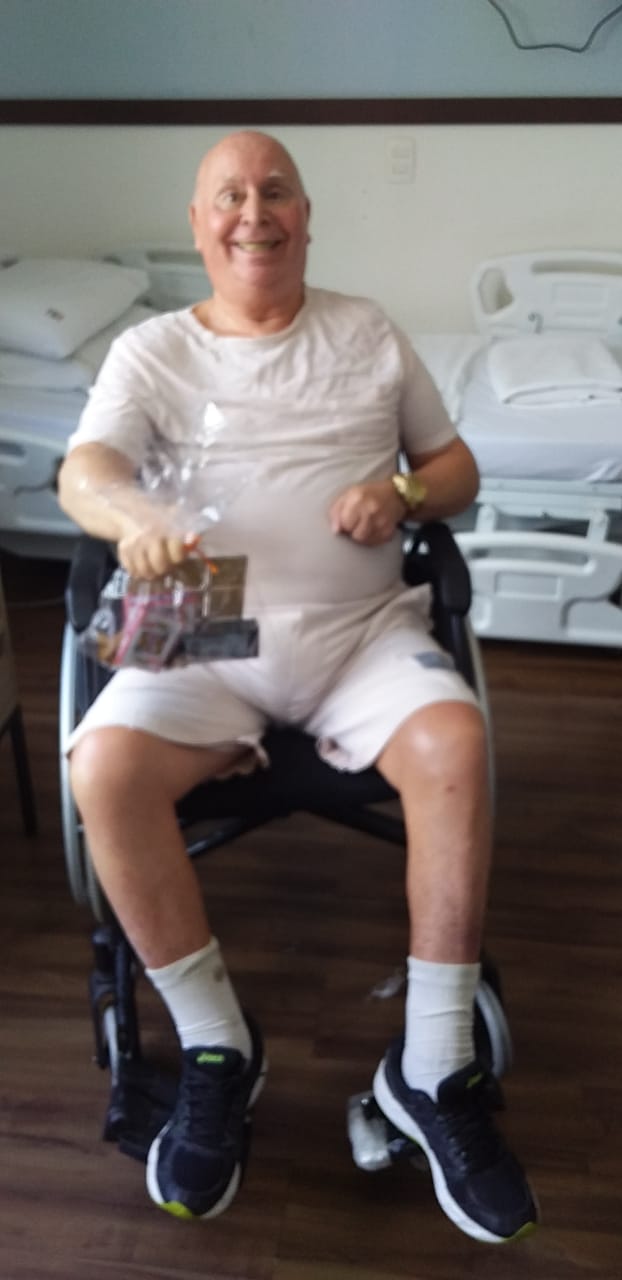
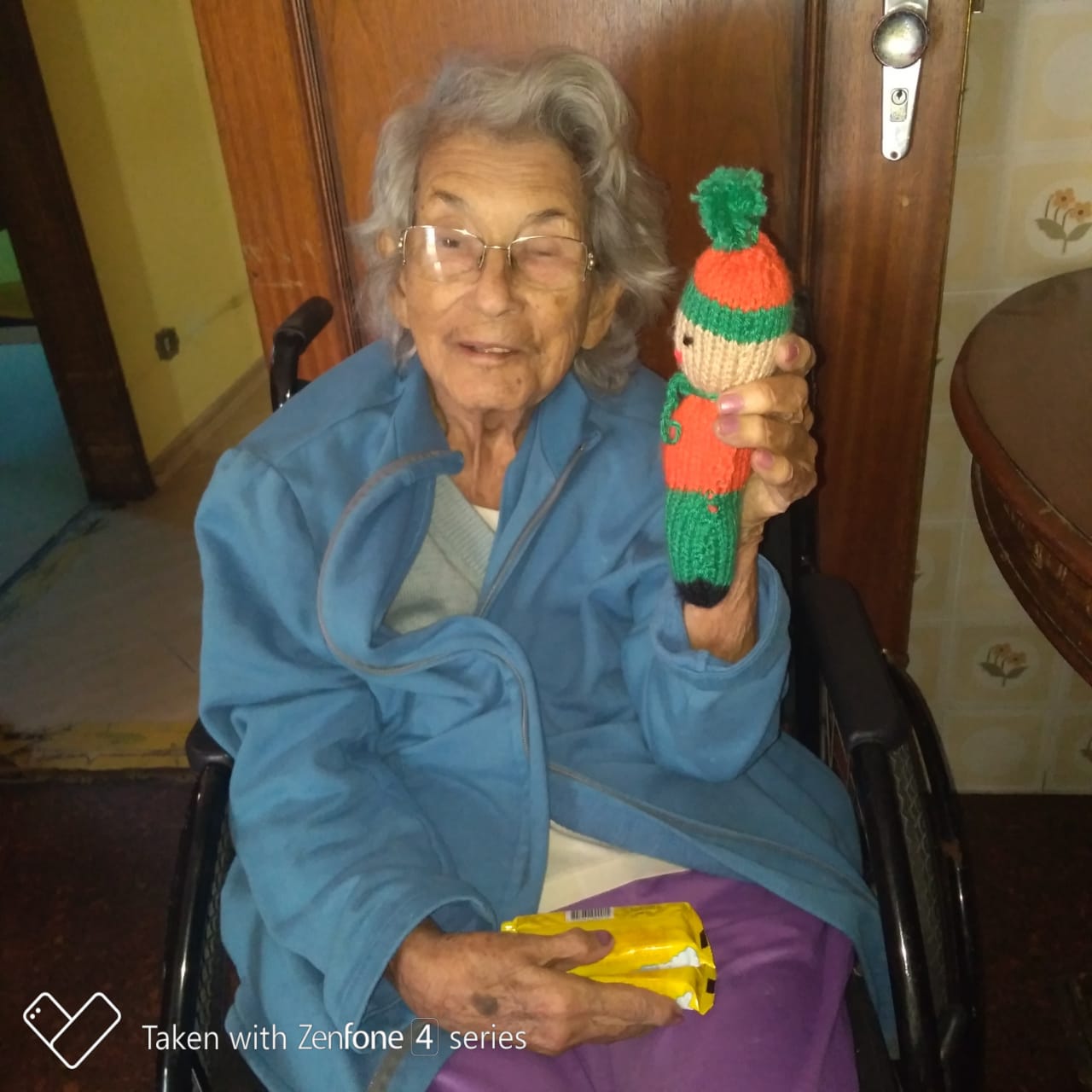
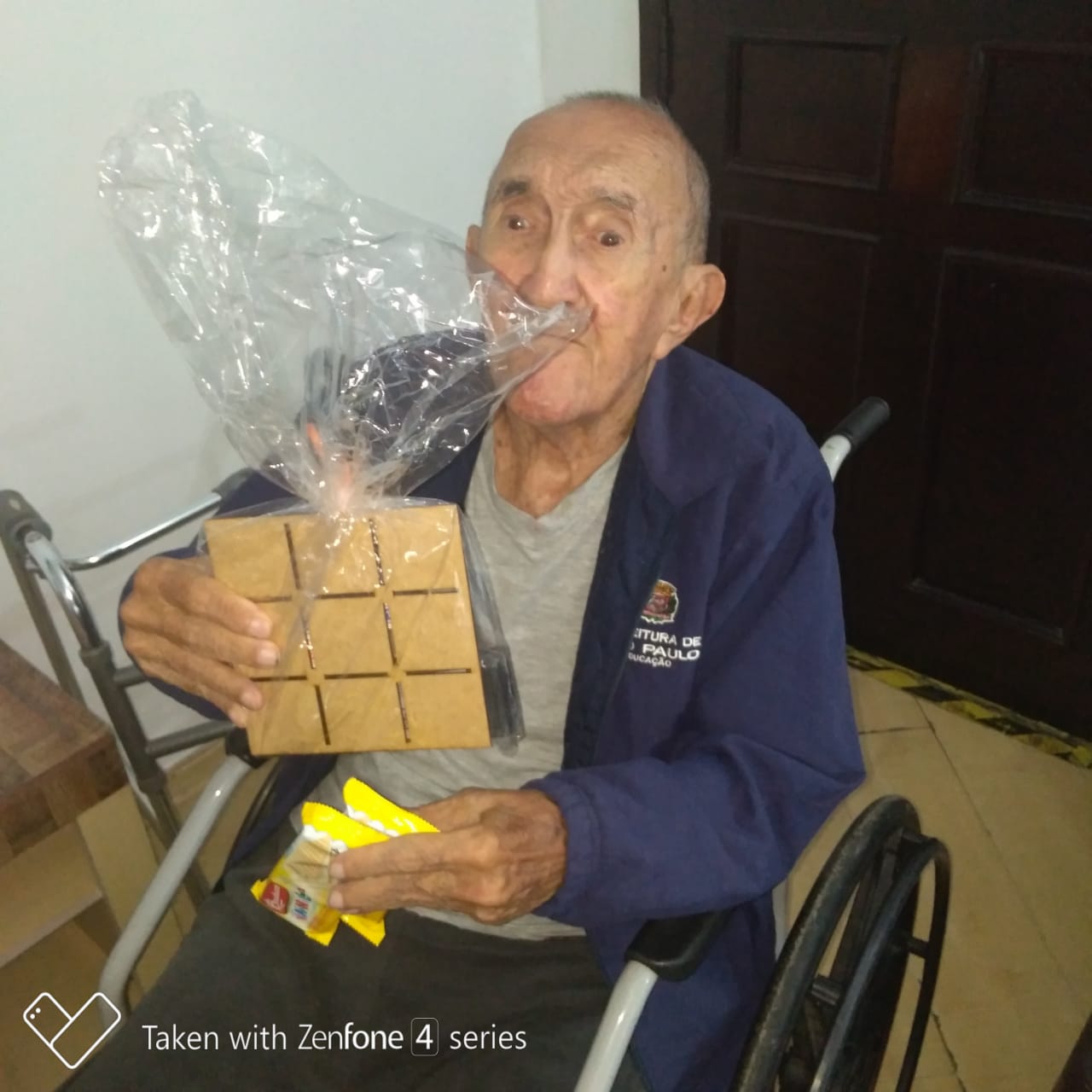
In addition to a monthly financial contribution to help them with their expenses, we also made a number of donations to both institutions. In 2020, we sent food hampers, groceries, clothing, personal hygiene items, face masks, hand sanitiser and Christmas presents to their elderly residents.

Continuation of the Cuidar Programme
As part of the Cuidar Programme, we carried out 536 medical check-ups with our clients during 2020. This works out at an average of 45 follow-up visits per month. Although high, this figure represents an 18 per cent decrease compared with 2019.
Due to the pandemic, the number of medical appointments and examinations to which we took our elderly clients fell significantly. However, we continued to take them to their regular treatments that could not be postponed, whilst also dealing with any urgent or emergency situations that arose during this period.
In addition, we also maintained telephone contact with the beneficiaries of this programme. In total, we made 3,136 telephone calls to everyone, averaging 348 per month, or nearly 90 per week. This was – and still is – the key distinguishing feature of our work during the pandemic. Our Social Projects team went to great lengths to maintain this constant and regular contact. In this way, we reduced the emotional turmoil caused by the pandemic, we have mitigated the impact of fake news, we focused on preventative healthcare, and even helped them cope with isolation through plenty of conversation and guidance.
In the words of Isabela Vieira Bertho, who heads the department: “More than the consultations themselves, I think these telephone contacts were the most important part of our work last year, and we received extremely positive feedback from the elderly, who felt our attention, care and concern for their wellbeing.”
Maintenance of the ‘Acolher’ and ‘Amparar’ Programmes
We maintained both programmes without any changes throughout 2020, focusing our efforts on the other initiatives described in this 2020 Review.
Partnership with St Paul’’s School and its PTA
We have strengthened our partnership with the school and its Parents’ and Teachers’ Association, known as the PTA. Once again, we have benefited from the funds raised by parents and pupils at their International Day event. In 2020, the event was held entirely online and featured numerous participants, distinguished guests, prize draws, charity raffles and incredible engagement from the entire school community. It was this partnership that enabled us to expand the Multiplicar Programme and bring a few more ideas to life for the benefit of our elderly residents.
Furthermore, the partnership yielded even more benefits: food parcels and Bauducco products were sent to the ILPIs we support, Christmas presents that were given to our beneficiaries, letters written by the pupils to some elderly people, as well as hygiene products and face masks.
The support of St Paul’s School and its community was essential in helping us get through 2020.
Other highlights from the 2020 Review
It’s worth highlighting two more really cool things that happened to us in 2020:
FBB radio soap opera
The participants in our theatre workshop created a radio drama, which was incredibly well received and appeared in the Globo, in the Agora newspaper and on the Folha de São Paulo website . It was brilliant to see a project created with such care, and in such a challenging context, make such an impact and be recognised by so many people. The radio drama is available on Spotify and can be accessed here: FBB’s Spotify page

Support from PESC-USP
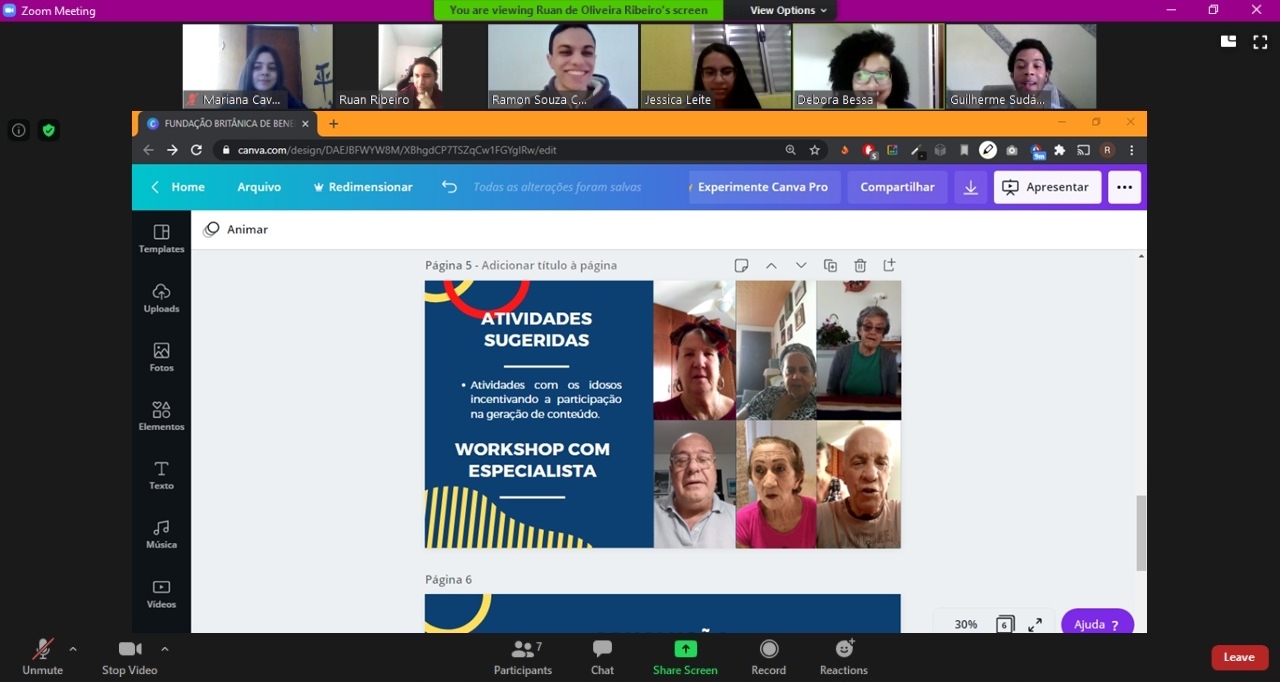
We received support from a group of students from FEA-USP – Faculty of Economics, Business Administration, Accountancy and Actuarial Science at the University of São Paulo.
Through the PESC (Community Service Extension Programme), we received support from a number of students who examined our communication strategy and helped us to review, improve and plan it for the future. It was an extremely rewarding process, and we were delighted to see young people engaged in social causes and concerned about Brazil’s elderly population.


Impacts of the pandemic
To round off this 2020 Review, it is worth highlighting some of the positive and negative impacts the pandemic has had on our work:
Positive
- A total of 3,490 telephone contacts with our beneficiaries since mid-March, averaging more than 350 per month, or 90 per week, or nearly 20 per day.
- 3,750 face masks received as donations from partners and distributed to our elderly residents, partner ILPIs, staff and carers. The main donors were: FGV’s Conexão Social, Tip Top and St George Lodge of the Masonic Order.
- Two major hand sanitiser distribution campaigns for elderly people and their carers.
- Creation and distribution of 6 guides on prevention measures covering the pandemic, domestic accidents and other health issues.
- 2 virtual parties, held via Google Meet, with the beneficiaries of our projects, which featured musical performances, bingo, prizes of breakfast hampers and many other activities.
Negatives
- We had 7 cases of Covid-19 amongst our direct beneficiaries, 6 of whom were in the Cuidar Programme and 1 at the Community Centre for the Elderly. Fortunately, everyone has recovered, although some of those affected required hospitalisation and intensive medical care.
- A drop of around 7 per cent in donations received over the course of the year, impacting the British Foundation’s financial sustainability.
- Cancellation of all planned in-person events, such as the charity event The Queen’s Birthday, the social gatherings with the elderly, trips to the theatre, afternoon teas and many others.
- Suspension of in-person activities and closure temporary project in Paraisópolis.
Conclusion
We did a great deal throughout 2020 to manage the impact of the pandemic across all sectors of the British Charitable Foundation. Our main focus has always been on monitoring and helping our beneficiaries get through this difficult period, doing everything in our power to support them physically and mentally whenever necessary.
But the pandemic also affected other areas, such as our Finance and Events departments, and thanks to all the hard work of our Board, our staff and our partners, we managed to overcome these challenges and have entered 2021 with a sense of accomplishment.
Amidst so much news and so many difficult moments, we have strengthened our conviction that support Together, we can overcome any obstacle.
We have emerged from this process stronger and hopeful that 2021 will mark a new cycle of resilience and renewal, when we will be able to leave all this behind and gradually return to our old normal.
And we conclude our 2020 Review with a wish for all our readers, supporters and beneficiaries: may you all stay healthy and continue to look after yourselves so that we can overcome the pandemic as quickly as possible.
We will carry on, together, this year and in the years to come.


